Ending Pad Poverty

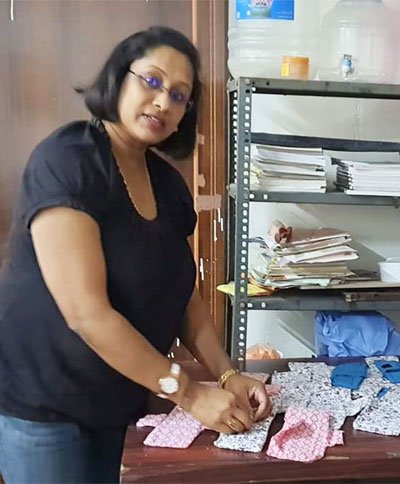
Pad poverty is more than a supply gap—it is a barrier that halts education, restricts mobility, and strips away daily dignity. In underserved communities, informal settlements, and local schools, the lack of dependable resources forces countless young girls to compromise their potential every single month.
Understanding Pad Poverty in Bengaluru's Communities

  • The Cost Barrier: Commercial sanitary pads are often a luxury for daily-wage earner families who must prioritize daily meals over menstrual management.
  • Dangerous Substitutes: Deprived of affordable options, women and girls resort to unhygienic alternatives like old rags, sand, ash, or husks, leading to severe reproductive tract infections (RTIs) and chronic health complications.
  • The Education Dropout Trap: Countless adolescent girls drop out of school prematurely simply because they lack reliable supplies to manage their periods with safety and confidence during school hours.
  • Social Stigma & Isolation: Deep-rooted cultural taboos force girls to miss school, restrict their movement, and isolate themselves during menstruation, cutting them off from active social life and confidence-building spaces.

Menstural Hygiene

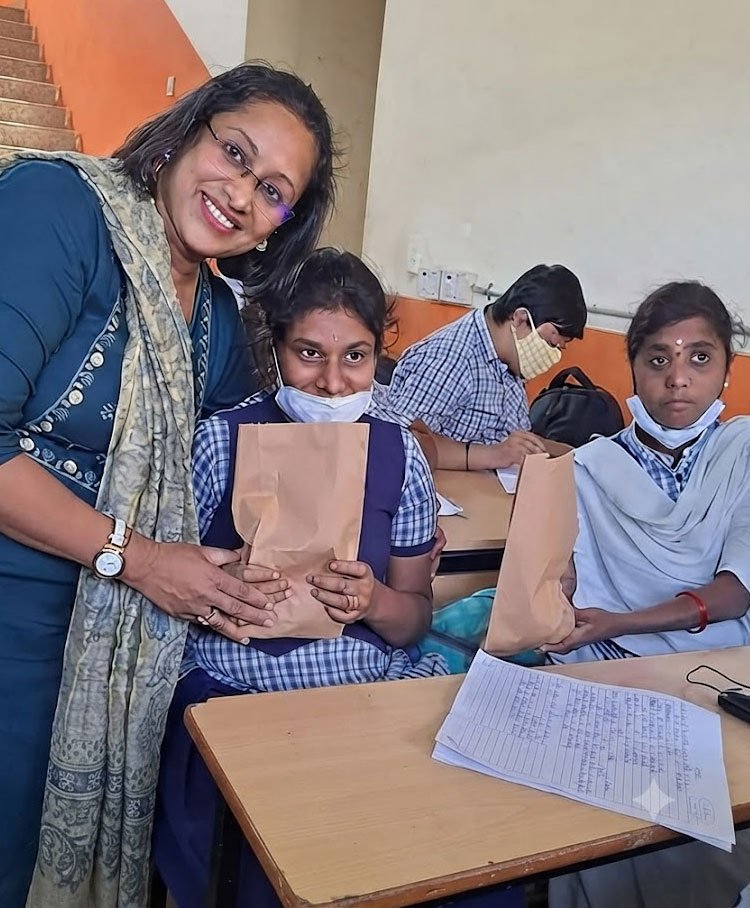
Since 2014, the Kriyaa Educational and Welfare Trust has taken menstrual health education directly to the grassroots—reaching deep into government schools and vulnerable urban pockets across Bengaluru to ensure that young girls receive the knowledge, safety, and confidence they deserve.

Our Approach to Community & School Outreach

  • Safe-Space Interactive Workshops: We conduct engaging, age-appropriate sessions inside government school classrooms and community halls, breaking the silence around puberty through empathetic storytelling and open dialogue.
  • Demystifying the Biology: We educate young girls on the fundamental science of menstruation, replacing fear and archaic myths with physiological facts and body literacy.
  • The Cost of Poor Hygiene—Infections & Diseases: We openly discuss the medical risks of unhygienic practices, educating girls on how using makeshift materials (like unsterilized rags, ash, or damp cloth) can lead to severe Reproductive Tract Infections (RTIs), bacterial vaginosis, chronic pelvic pain, and long-term reproductive health complications.
  • Practical Hygiene & Dignity Kits: Every workshop is paired with the distribution of safe sanitary products and hands-on demonstrations on proper usage, disposal, and personal hygiene habits.